
Dialysis Care

dialysis care

Dialysis Care

Dialysis care provides comprehensive medical support for patients with reduced kidney function who require dialysis. Our approach focuses on personalised treatment planning, regular monitoring, managing potential complications, and providing ongoing nephrology support to promote safe and effective care.

Types of Dialysis Care

home d

Hemodialysis

Filters waste and excess fluid from the blood using a dialysis machine. It is usually performed at a dialysis centre under medical supervision.
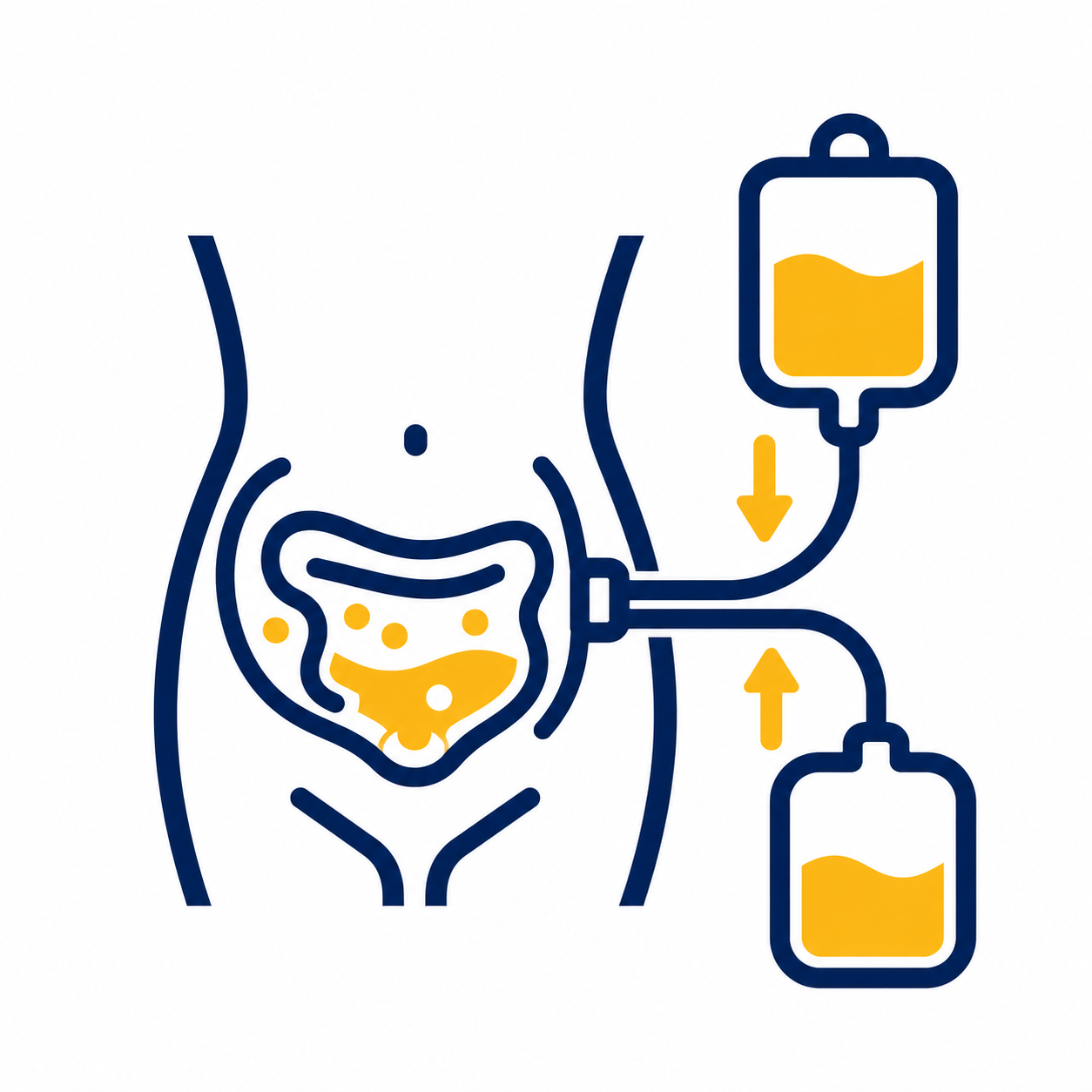
Peritoneal Dialysis
Uses the lining of the abdomen to remove waste and excess fluid from the body. It can often be performed at home with proper training and guidance.

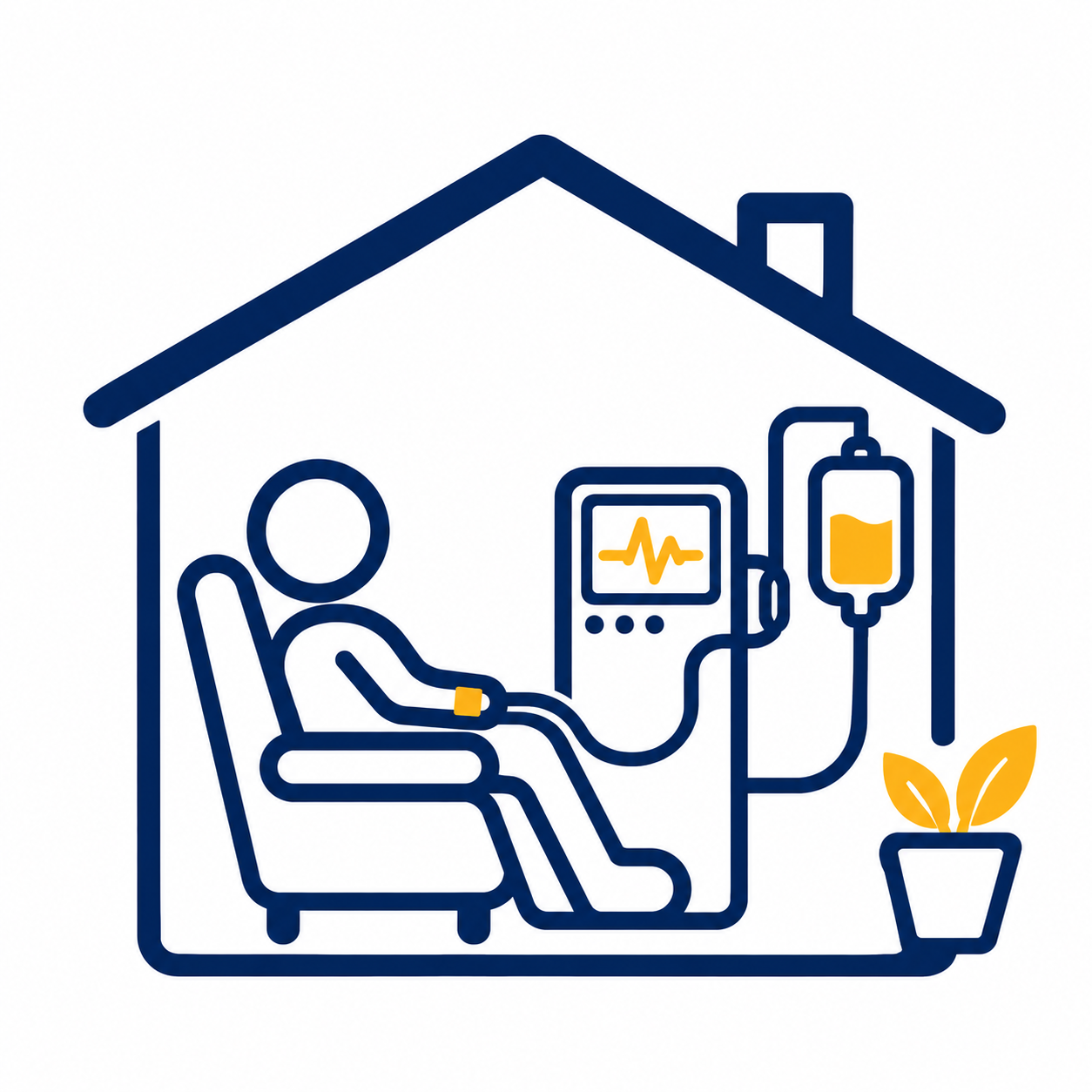
Home Hemodialysis

Enables suitable patients to receive hemodialysis treatment at home. Proper training, equipment, and regular monitoring are essential.

Choosing the Right Dialysis Option

Choosing the most suitable dialysis option depends on several individual factors, including the patient’s medical condition, remaining kidney function, lifestyle, overall health, and personal circumstances. A nephrologist carefully evaluates these factors and discusses the available options to help determine an appropriate dialysis approach for each patient.

Dialysis Options

Hemodialysis
Peritoneal Dialysis
Home Hemodialysis

Where It Is Done

Dialysis centre/hospital
Usually at home
At home

Key Considerations

Regular scheduled treatment under medical supervision
Offers greater flexibility for suitable patients
Requires appropriate setup, training and support

Frequently Asked Questions

Dialysis is a treatment that helps remove waste, excess fluid, and toxins from the blood when the kidneys cannot function adequately.
Dialysis may be recommended when kidney function becomes severely reduced and the body cannot adequately remove waste and excess fluid.
The main types include haemodialysis and peritoneal dialysis. Home haemodialysis may also be suitable for selected patients.
Yes, home haemodialysis or peritoneal dialysis may be options for suitable patients after proper assessment, training, and medical guidance.
The frequency of dialysis depends on kidney function, overall health, and the treatment plan recommended by the nephrologist.
With appropriate treatment, regular monitoring, a suitable diet, and medical guidance, many patients can continue their daily activities while receiving dialysis.
Regular kidney check-ups can help detect problems early, especially if you have diabetes, high blood pressure, or a family history of kidney disease.
book an appointment